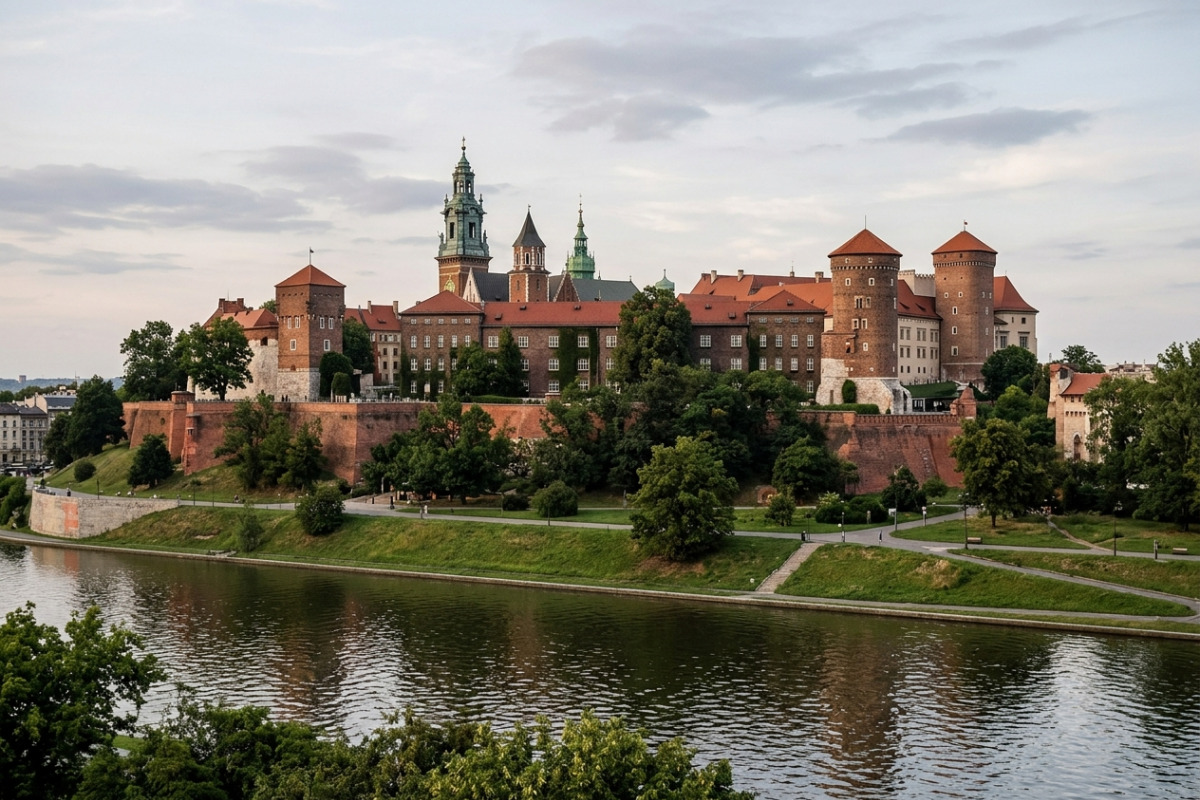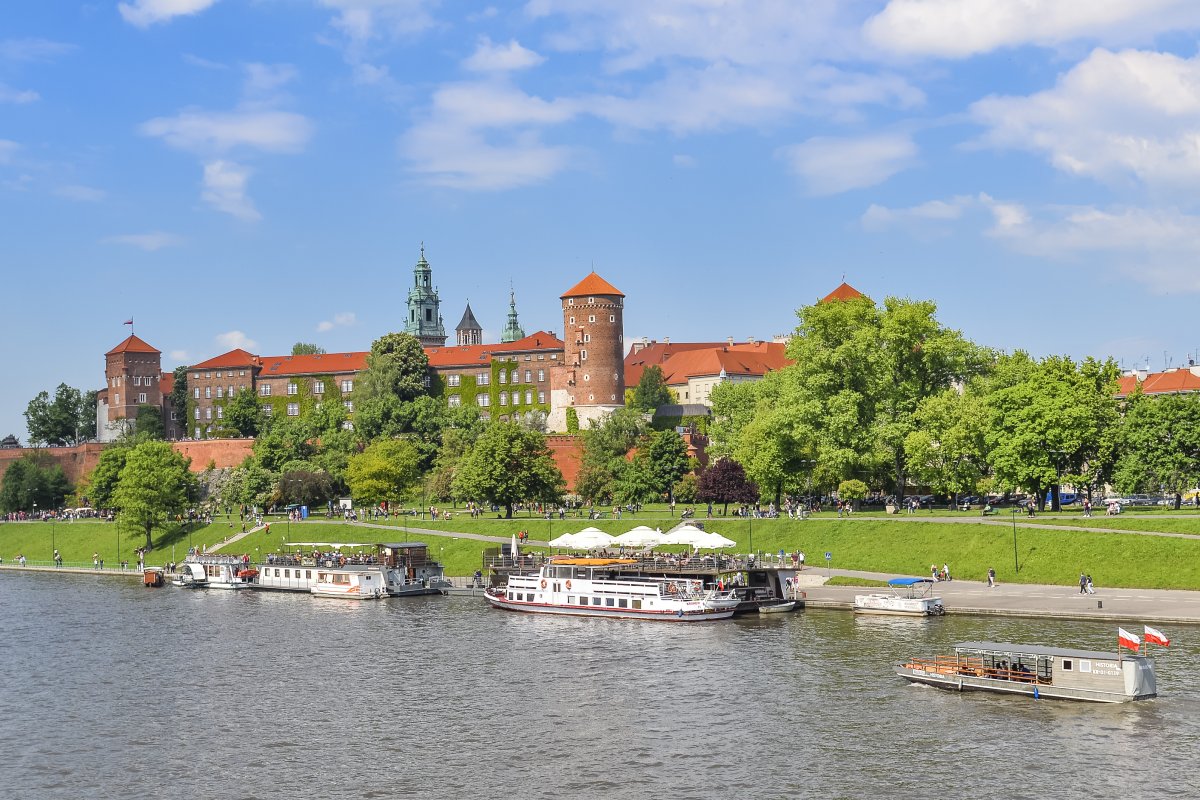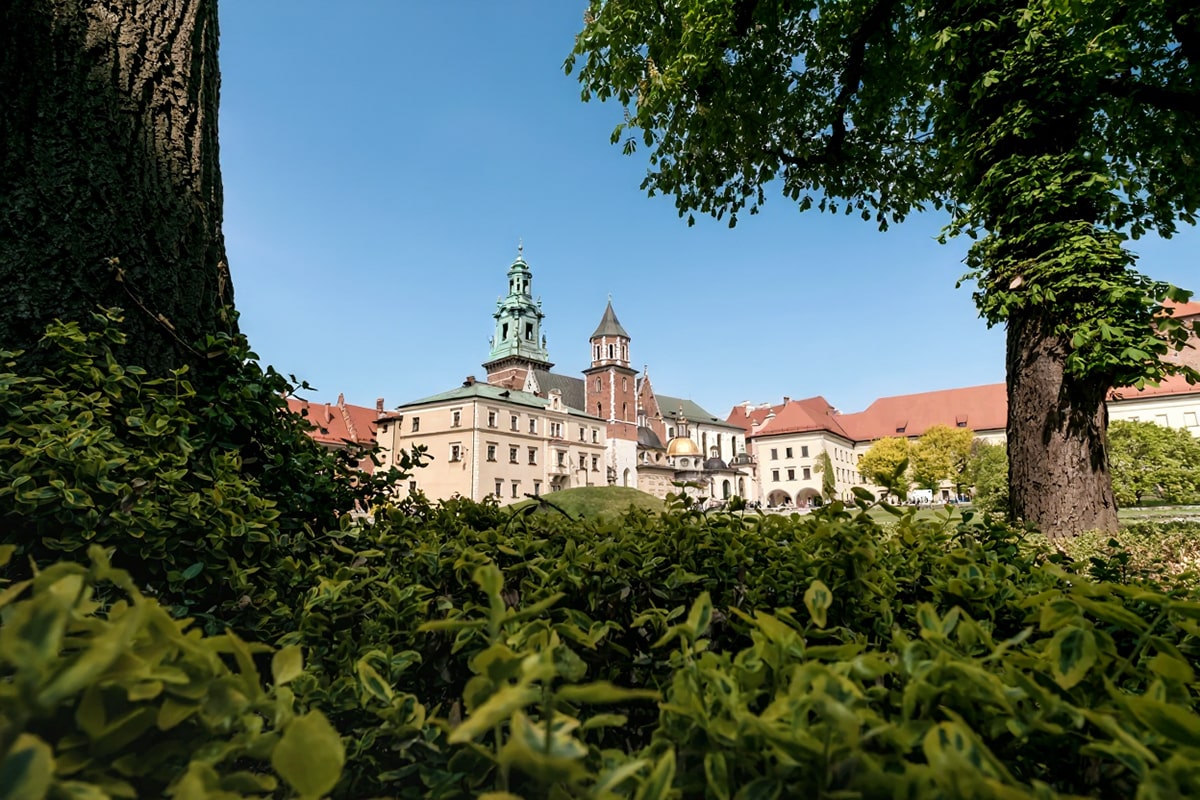
For centuries, Wawel Hill has been a place of royal power, religious devotion, and legend. But in recent decades, it has gained a new layer of fascination a belief that this ancient site emits powerful spiritual energy. Many visitors claim to feel peace, warmth, or a tingling sensation near a specific spot behind the Wawel Cathedral, calling it one of the Earth's mythical energy chakras.
Origins of the Chakra Legend
The idea of Wawel Hill as a spiritual energy center appeared in the 20th century, inspired by esoteric theories that mapped Earth's sacred points, or chakras. According to this legend, Wawel is one of seven major energy centers worldwide alongside sites such as Delphi in Greece, Jerusalem in Israel, and Mecca in Saudi Arabia. The theory suggests these places form a global network of spiritual vibration connecting humanity and the divine.
| Sacred Site | Associated Region |
| Wawel Hill | Krakow, Poland |
| Delphi | Greece |
| Jerusalem | Israel |
| Mecca | Saudi Arabia |
The Energy Point Behind the Cathedral
The supposed energy point is located on the northern side of the Wawel Cathedral, near a stone wall where visitors often stand in silence, meditate, or touch the surface with their hands. Some claim to feel warmth, others describe a magnetic pull or a calming presence. Although there is no scientific evidence for such energy, the site has become a quiet corner for reflection amid the crowds of tourists.
- Location: Northern outer wall of Wawel Cathedral.
- Experience: Many visitors meditate, pray, or simply pause to sense the energy.
- Etiquette: Remain quiet and respectful as this area is still part of a sacred site.
Possible Explanations
Scholars and geologists have proposed several theories to explain the legend’s persistence. The limestone hill, intersected by natural fault lines, could subtly influence magnetic readings. Others point to the hill’s long history of sacred use from pagan shrines to Christian worship which may have created a psychological sense of reverence and awe that people interpret as energy.
There is also a cultural factor: Wawel Hill sits at the intersection of religion, myth, and identity. The belief in its spiritual power may reflect Poland’s enduring connection between faith, nature, and history where every stone holds memory and meaning.
Modern Spiritual Tourism
Today, Wawel Hill’s “chakra” myth attracts not only pilgrims and historians but also seekers of spiritual experiences. Visitors from around the world come to meditate by the cathedral wall, bringing offerings, crystals, or simply curiosity. Local guides occasionally include the energy spot in their tours, emphasizing its peaceful atmosphere rather than its mystical claims.
Symbol or Reality?
Whether or not Wawel Hill truly radiates mystical energy, its power as a symbol is undeniable. The hill unites layers of history royal, religious, and mythical into one timeless place of reflection. Standing before its ancient stones, visitors connect not just with energy, but with the spirit of Poland itself strong, sacred, and enduring.
The truth behind the chakra myth may never be proven, but perhaps that mystery is part of its magic. For some, Wawel Hill’s energy is real and for others, it is the echo of faith and imagination that still vibrates across centuries.