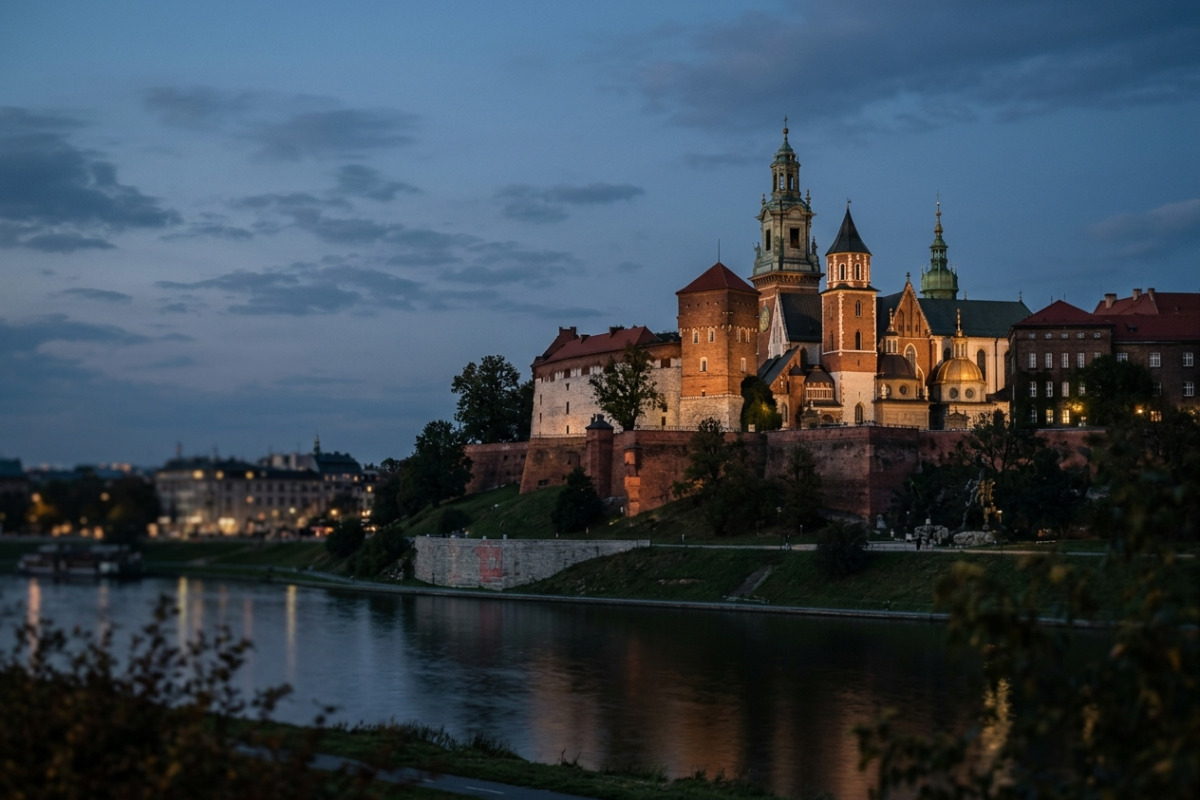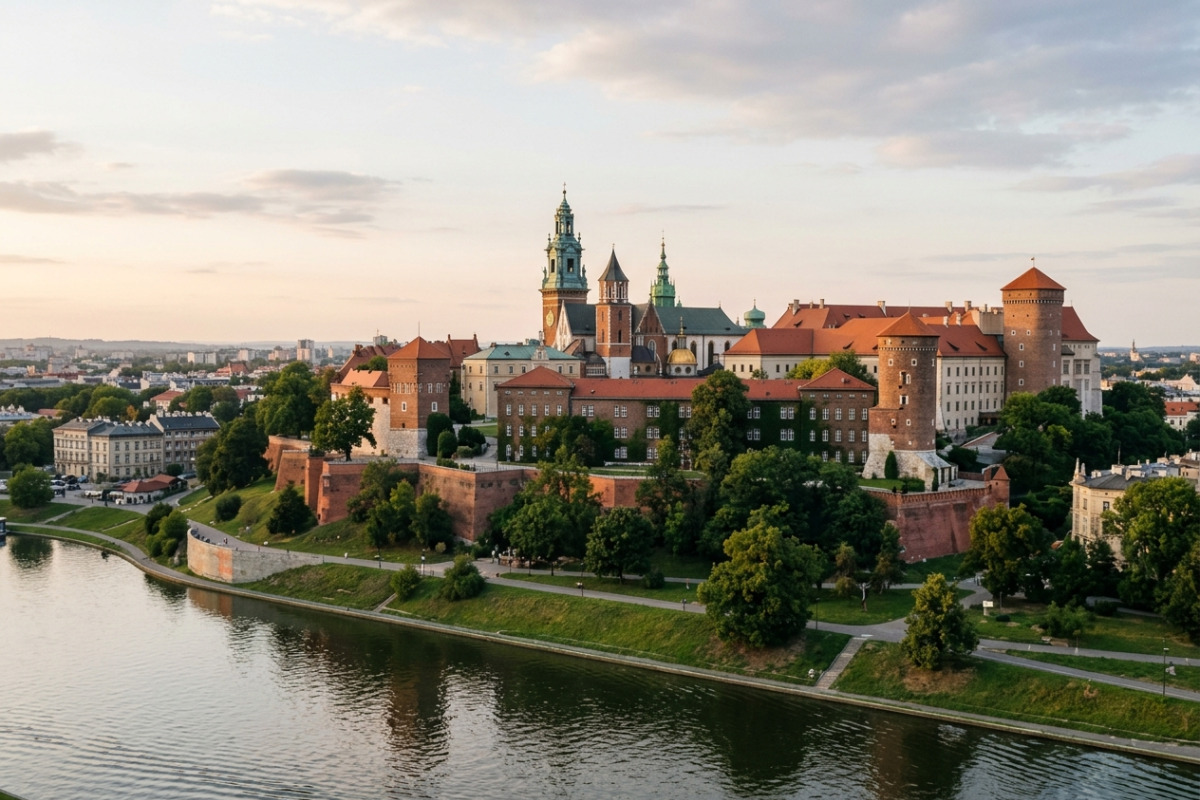
Rising above the Vistula River, Wawel Castle is one of Europe’s most significant royal residences, a symbol of Poland’s spirit, strength, and continuity. For centuries, it served as the home of monarchs, the stage of coronations, and the keeper of countless national treasures. Beyond its architectural beauty, the castle is steeped in stories that blend history and legend into one timeless narrative.
From Fortress to Royal Residence
The earliest settlement on Wawel Hill dates back to the 10th century, when it was a fortified stronghold. As Poland emerged as a kingdom, it became the seat of rulers like Bolesław I the Brave and Casimir III the Great. By the 14th century, the hill was transformed into a grand royal residence, a political and cultural heart of the Polish state.
The Golden Age of the Jagiellonian Dynasty
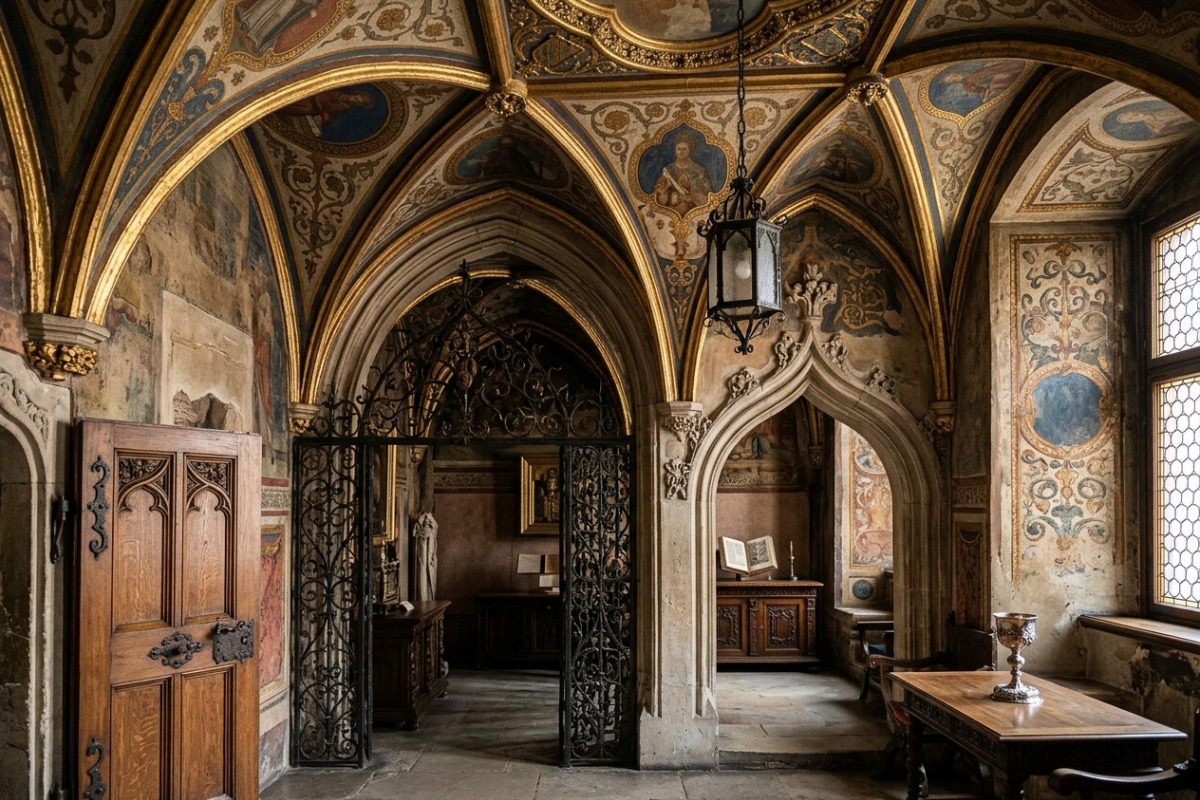
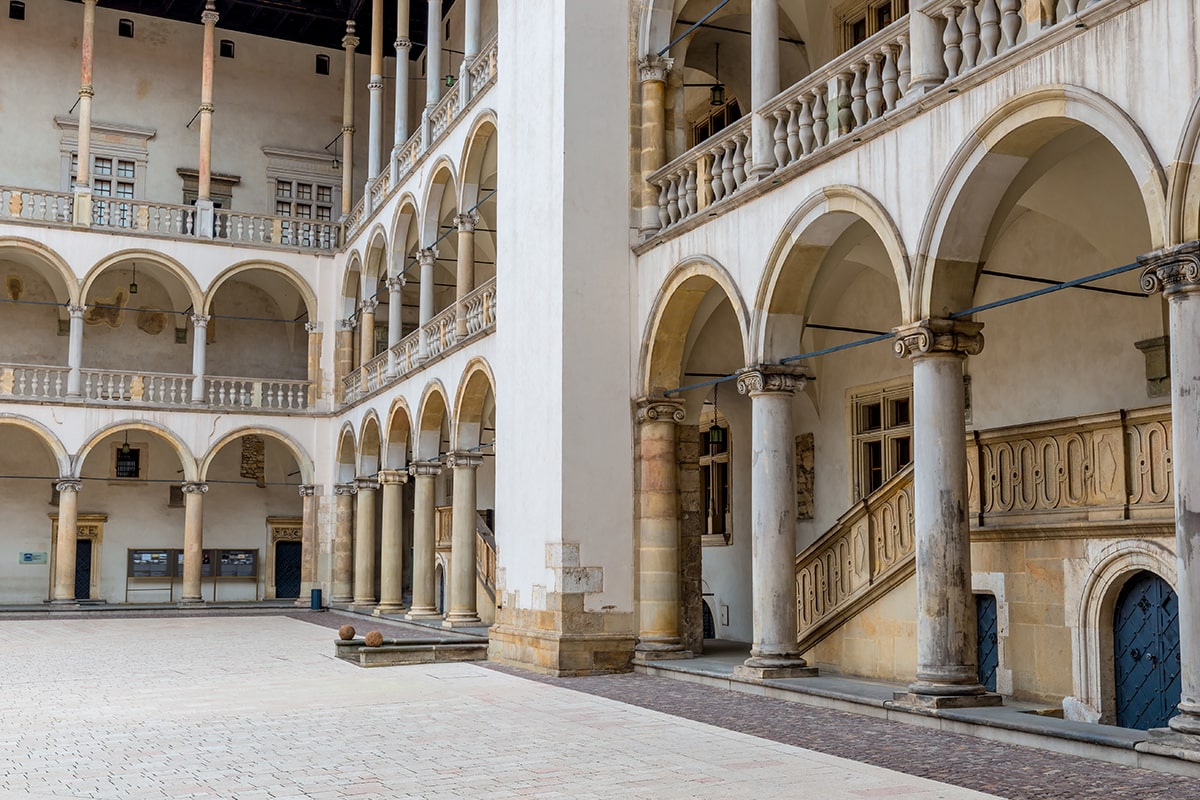
During the reign of the Jagiellonian dynasty, Wawel flourished as one of Europe’s most impressive royal courts. The castle was expanded into a Renaissance masterpiece, with elegant courtyards, richly decorated chambers, and priceless art collections. This era marked the height of Poland’s influence across Central Europe.
The Cathedral and the Crown
Beside the castle stands the Wawel Cathedral, where generations of monarchs were crowned, married, and buried. The crypts below hold the remains of kings, national heroes, and poets, a sacred space representing Poland’s unbroken legacy through centuries of change.
Fall, Occupation, and Revival
After the capital moved to Warsaw in the 17th century, Wawel’s political role declined. During foreign partitions, it suffered plundering and military occupation. Yet, even in those dark times, it remained a symbol of national pride. In the early 20th century, restoration works revived the castle, turning it into the museum and cultural monument we see today.
Legends of Wawel Hill
Wawel is not only history but also a myth. The most famous legend tells of the Wawel Dragon (Smok Wawelski), who terrorized the city before being defeated by a clever shoemaker. The dragon’s cave beneath the castle still fascinates visitors, blending folklore with history in a uniquely Polish way.
A Living Symbol of Poland
Today, Wawel Castle stands as a museum, royal memorial, and national symbol. Its walls echo the footsteps of kings and the whispers of legends, reminding every visitor of Poland’s enduring heritage. Exploring its halls means walking through the very chapters of the nation’s story from power and faith to art and myth.
Visiting Wawel Castle is not just about seeing a monument; it’s about connecting with the soul of Poland, a place where history and legend meet under one royal crown.