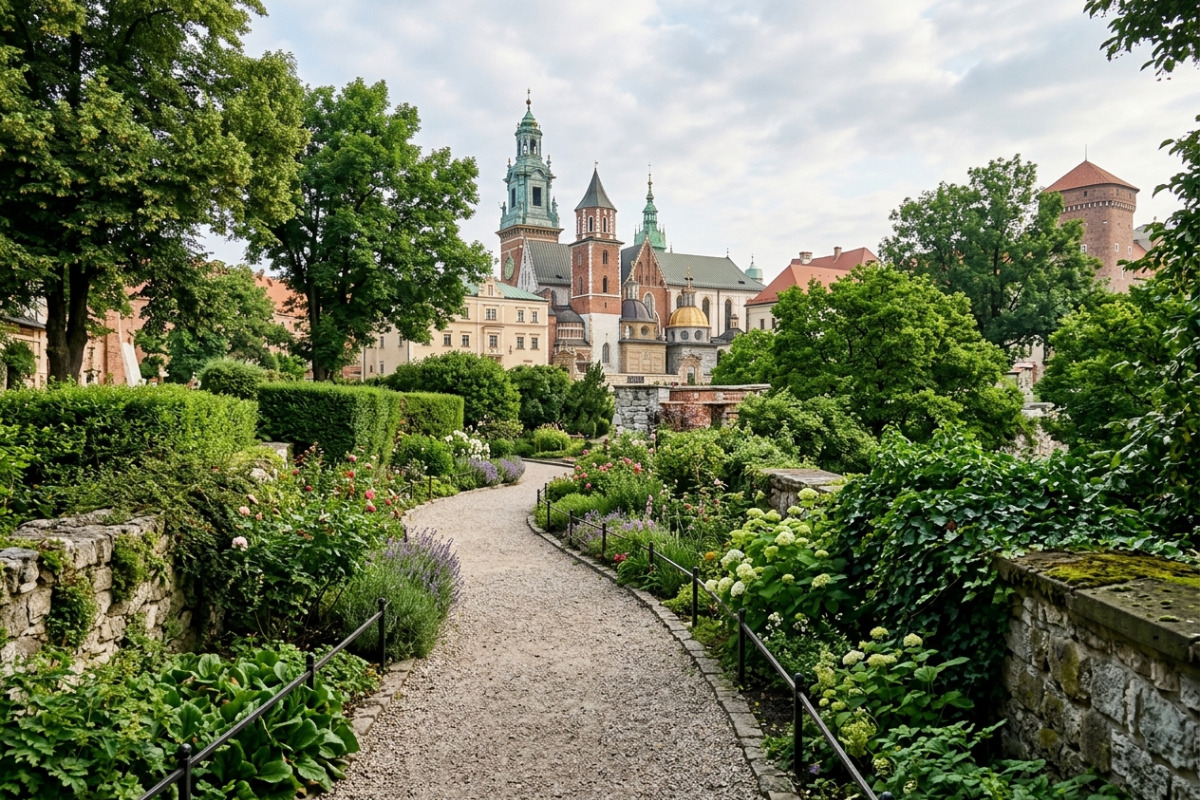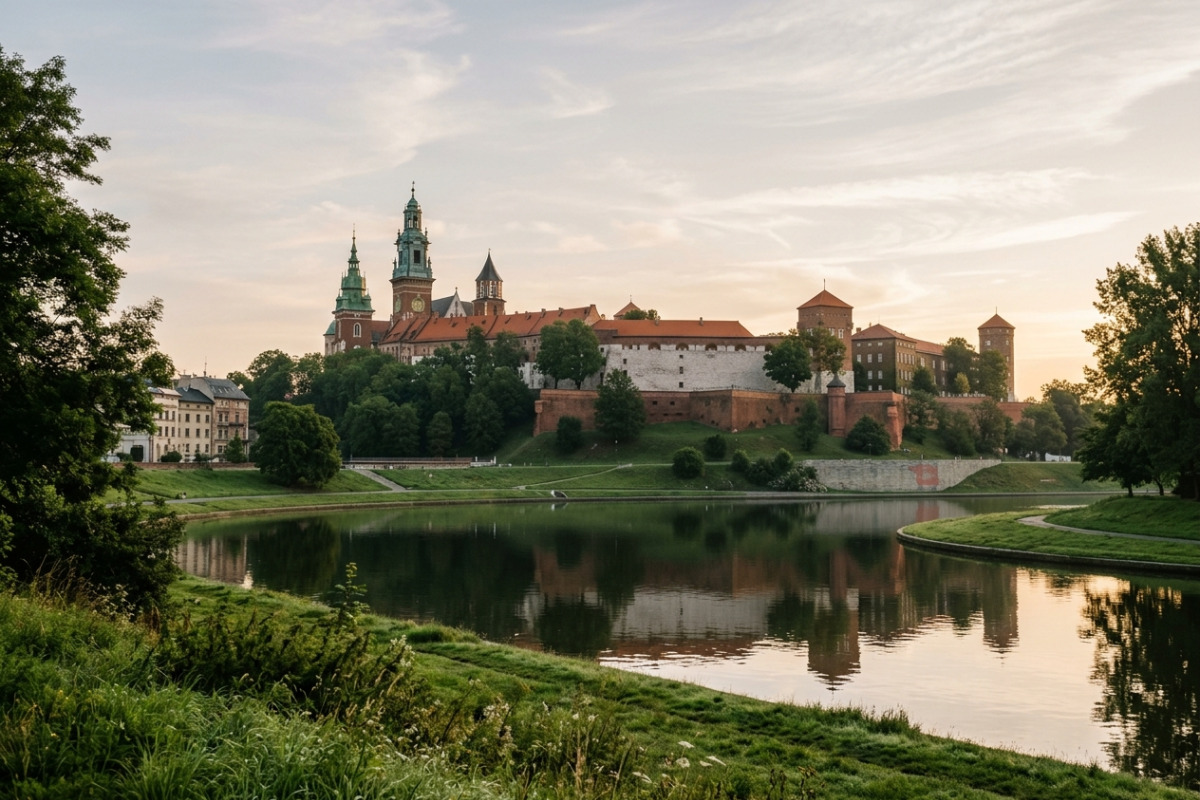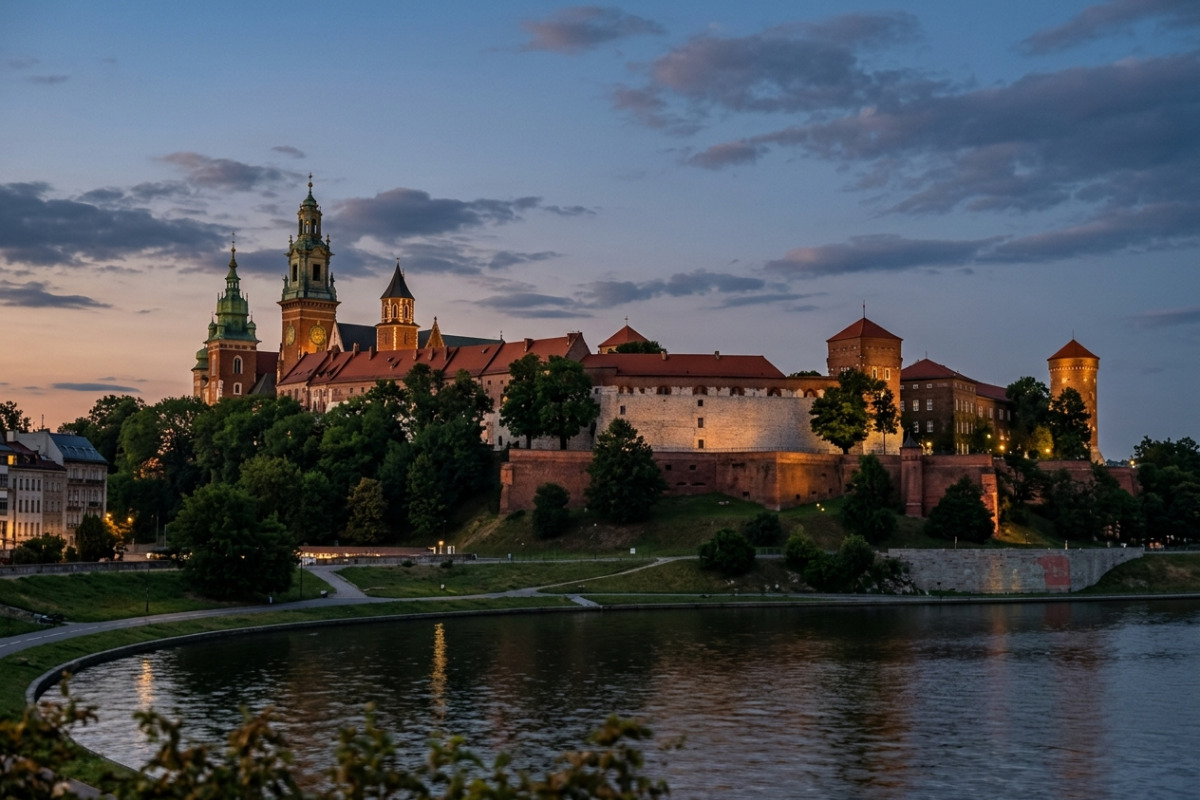
Standing at the foot of Wawel Hill, looking up at the architectural tapestry that defines Krakow’s skyline, you can immediately feel the weight of history. It is a breathtaking sight, but for many travelers, the confusion begins the moment they approach the ticket office. Unlike many museums that offer a single 'all-access' pass, Wawel Castle functions more like a complex of separate museums, each requiring its own ticket and time slot. With options ranging from the grandiose State Rooms to the glittering Crown Treasury, deciding where to spend your time and budget can feel overwhelming.
If you are visiting us in late December 2025, you know that maximizing your time is crucial, especially with the shorter daylight hours. Whether you are a devoted history buff, an art lover, or a family looking for the highlights, understanding the distinct character of each exhibition is key to a fulfilling experience. This guide is designed to decode the options and help you build an itinerary that suits your travel style, ensuring you don't miss the treasures hidden behind those formidable walls.
The Heavyweights: State Rooms vs. Royal Private Apartments
The most common dilemma visitors face is choosing between the State Rooms and the Royal Private Apartments. While they might sound similar, they offer vastly different experiences and perspectives on royal life.
The State Rooms: Power and Politics
If you only have time for one section and want to witness the sheer grandeur of the Polish monarchy, the State Rooms are your best bet. This is the official face of the castle, designed to impress envoys, host balls, and conduct the business of the kingdom. As you walk through these halls, you aren't just looking at furniture; you are walking through the political history of Europe.
The absolute highlight here is the collection of Flemish Arras Tapestries commissioned by King Sigismund II Augustus. These aren't just wall coverings; they are colossal woven masterpieces that tell biblical stories and depict exotic animals. Another unmissable feature is the Envoys’ Hall (Hall of Heads). Look up at the coffered ceiling, and you will see 30 wooden heads looking back at you, a unique and slightly eerie reminder of the courtiers who once filled this room. For those ready to secure their entry, you can Book Now to ensure you don't miss this essential part of the castle.
The Royal Private Apartments: Intimacy and Daily Life
While the State Rooms shout about power, the Royal Private Apartments whisper about the people who wielded it. This exhibition focuses on the personal lives of the monarchs. The rooms are smaller, more intimate, and filled with personal artifacts, exquisite Italian Renaissance furniture, and silverware.
Visiting this section often gives you a better sense of the castle as a home rather than just an administrative center. You will see where the kings slept, where they dined privately, and where they entertained close guests. It is important to check the Visiting Information page, as the Private Apartments sometimes require a guided tour, which offers a deeper narrative context than a solo walk-through.
The Crown Treasury and Armory: The Bling and The Blade
For many, a castle isn't complete without swords and jewels. The Crown Treasury and Armory is a separate exhibition that appeals strongly to military history enthusiasts and anyone dazzled by gold and gemstones. This section houses the surviving insignia of Polish royalty.
The star of the show is undeniably Szczerbiec, the jagged coronation sword. It is the only preserved part of the medieval Polish crown jewels (many others were historically lost or looted). Seeing this sword up close is a pilgrimage for anyone interested in Polish heritage. The Armory, located adjacent to the Treasury, features a formidable collection of weaponry, including winged hussar armor that defined Polish military might in the 17th century. If you are curious about which items are currently on display, a quick look at the Sections overview can help you prepare.
CLICK HERE TO CHECK AVAILABILITY & BOOK SKIP-THE-LINE TICKETS WIDGET ❗❗
Lost Wawel and Other Exhibitions
Beyond the main three, there are smaller, specialized exhibitions that are often overlooked but offer tremendous value. The Lost Wawel is a fascinating archaeological reserve. It takes you beneath the current structures to see the remnants of the Rotunda of Saints Felix and Adauctus, dating back to the 10th century. It is a quiet, atmospheric walk through the very foundations of Krakow's history, often accompanied by a lapidarium of stone sculptures.
Depending on the season, you might also consider the Dragon’s Den or the Sandomierska Tower. However, keep in mind that these outdoor-focused sections are weather-dependent and typically closed during the winter months (like December). Always consult the FAQ section for seasonal closure updates before adding these to your checklist.
Cheat Sheet: Which Itinerary Suits You?
To help you decide, we have broken down the exhibitions based on traveler interest and time constraints. This table assumes a moderate pace of visiting.
| Traveler Type | Priority Sections | Estimated Time | Why? |
| The "Highlights" Tourist | State Rooms + Cathedral | 2 - 2.5 Hours | Covers the most famous interiors and the iconic tapestry collection. |
| History & Military Buff | Crown Treasury & Armory + Lost Wawel | 2 Hours | Focuses on artifacts, weapons, archaeology, and the coronation sword. |
| Art & Design Lover | State Rooms + Royal Private Apartments | 3 Hours | Maximizes exposure to Renaissance art, architecture, and interior design. |
| The Complete Explorer | All Open Exhibitions | 4 - 5 Hours | A full day immersion. Requires comfortable shoes and a lunch break! |
Practical Tips for a Seamless Visit
Planning a trip to Wawel requires a bit of strategy. Since tickets are sold for specific entry times, punctuality is paramount. If you miss your slot for the State Rooms, you may be denied entry, as visitor flow is strictly managed to preserve the historic interiors. We recommend arriving at Wawel Hill at least 30 minutes before your first scheduled entry to clear security and locate the correct entrance as the castle complex is larger than it looks from the map.
Another vital tip concerns luggage. Large bags and backpacks are generally not allowed in the exhibition spaces for conservation reasons. While there are luggage storage facilities, they can fill up. It is best to travel light. Finally, remember that the Wawel Cathedral is technically a separate institution from the Castle Museum, though they share the hill. You will need to arrange that part of your visit separately, though it pairs perfectly with the Royal Private Apartments for a thematic journey through royal spiritual and domestic life.
Ultimately, whether you choose the grandeur of the Envoys' Hall or the quiet sparkle of the Treasury, Wawel Castle rewards those who look closely. The history here is layered, complex, and incredibly beautiful. By prioritizing the sections that speak to your interests, you transform a simple sightseeing trip into a memorable journey through Polish heritage. Don't forget to Buy Tickets in advance to secure your preferred itinerary!