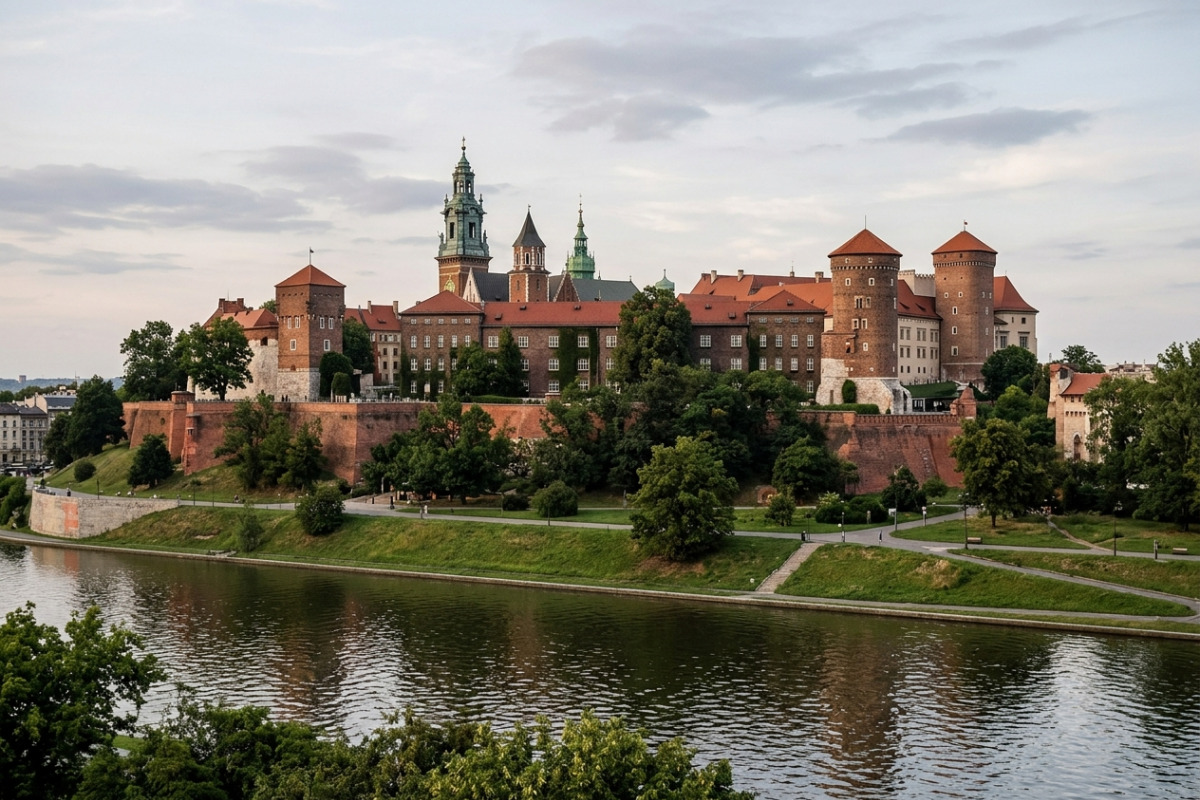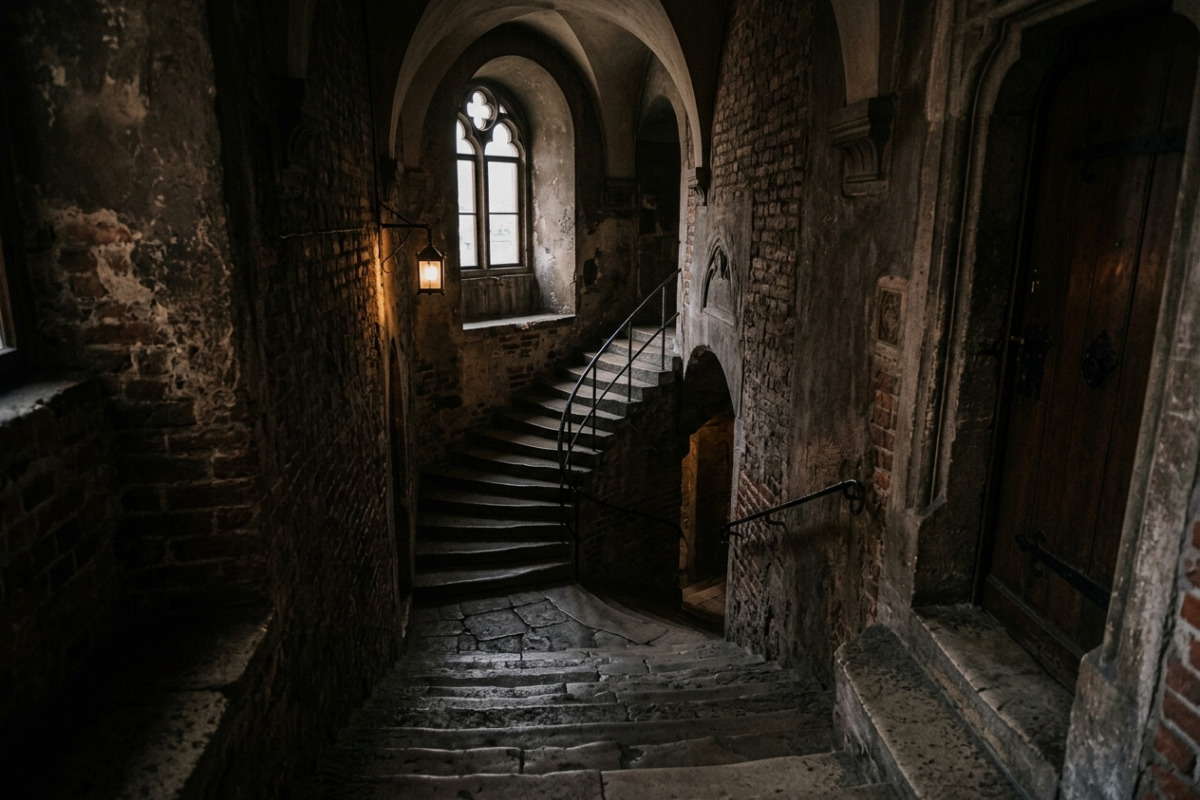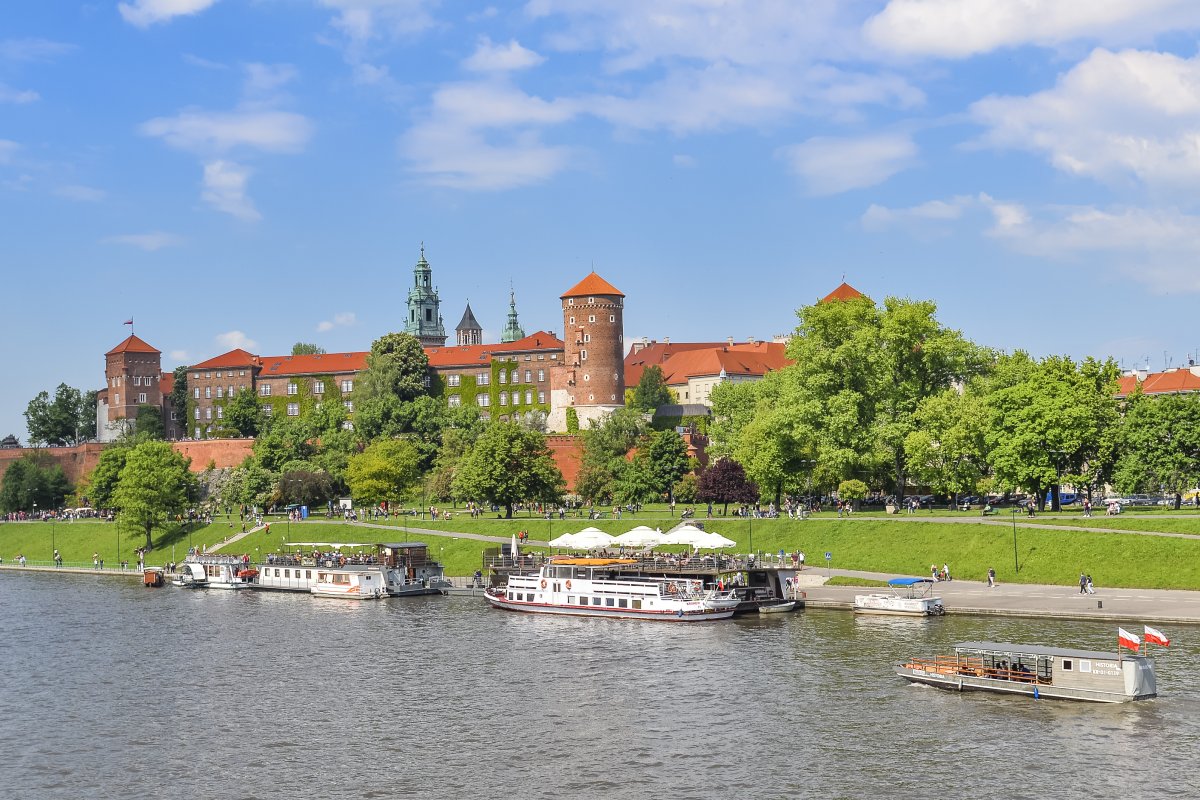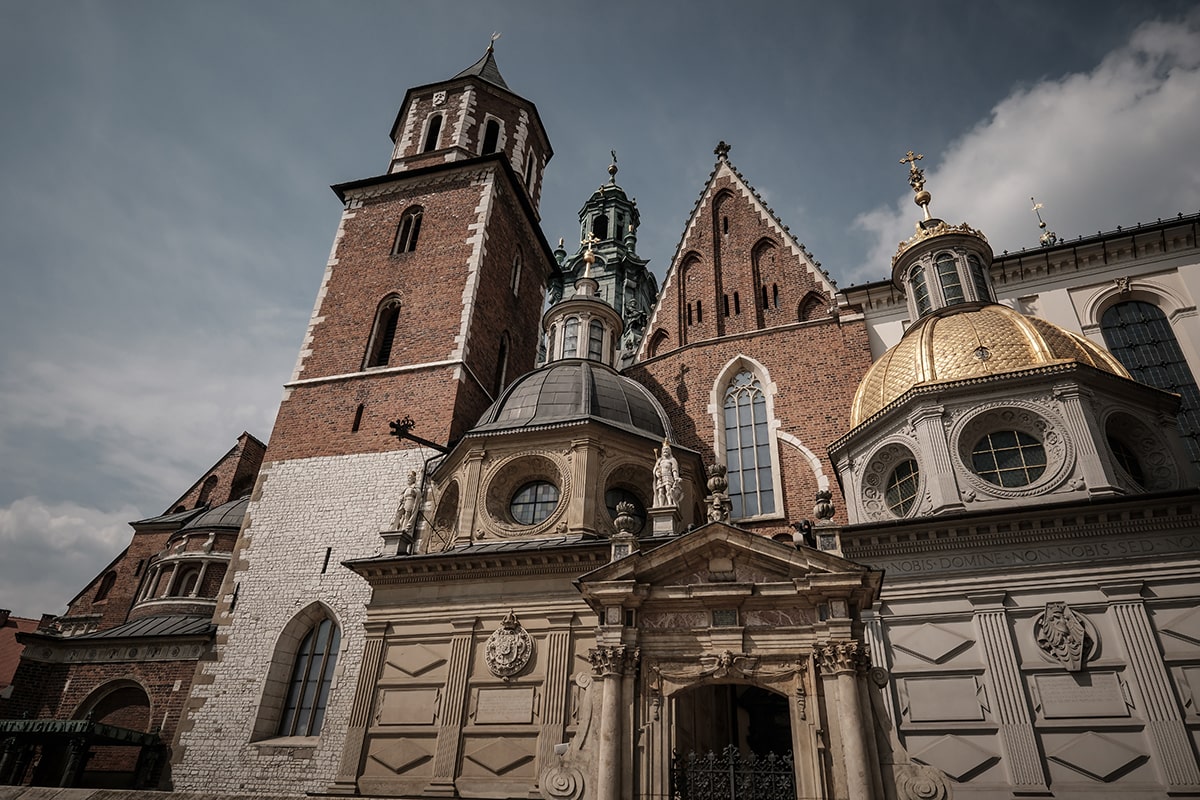
Beneath the mighty Wawel Castle lies a dark limestone cave known as the Dragon’s Den (Smocza Jama), where legend says a fearsome dragon once lived. The tale of the Wawel Dragon is one of Poland’s oldest and most popular myths, a story passed down through generations that continues to shape Krakow’s identity today.
The Legend: A City in Fear
Long ago, when Krakow was ruled by the wise King Krakus, a terrifying dragon terrorized the city. It lived beneath Wawel Hill, devouring livestock and sometimes villagers, that ventured too close to its lair. The people lived in constant fear until the king promised his daughter’s hand to anyone brave enough to defeat the beast.
The Clever Shoemaker and His Trick
Many knights tried and failed to slay the dragon. Then came a humble shoemaker named Skuba, who used cleverness instead of strength. He filled a sheep’s skin with sulfur and tar, leaving it outside the cave. The hungry dragon swallowed it whole and moments later, overcome by burning thirst, it rushed to the Vistula River and drank until it burst. The city was saved, and the shoemaker became a hero.
Myth or Reality?
While historians doubt a real dragon ever lived under Wawel Hill, the story may have roots in early folklore explaining geological features like the cave and natural gas emissions once found there. Some researchers even suggest the legend symbolized victory over chaos or pagan beliefs as Christianity spread through the region.
Key Elements of the Wawel Dragon Legend
| Element | Meaning |
| The Dragon | Represents chaos, danger, and ancient fear. |
| The Shoemaker | Symbolizes cleverness and courage over brute strength. |
| The Cave | A real location that connects myth with the natural world. |
Visiting the Dragon’s Den Today
Modern visitors to Krakow can descend into the Dragon’s Den beneath Wawel Hill, where the legend is said to have unfolded. The cave opens onto the riverbank, guarded by a bronze dragon statue that breathes real fire every few minutes. It’s a favorite stop for families, school groups, and travelers seeking a touch of magic alongside their history.
- Location: Beneath Wawel Castle, exit near the Vistula River.
- Season: Typically open from April to October.
- Tip: Visit in the evening to see the dragon’s fire display at its most dramatic.
The Enduring Symbol of Krakow
Whether a myth or a metaphor, the Wawel Dragon remains one of Poland’s most enduring legends. It teaches that courage and intelligence can overcome even the greatest threats, a timeless message that resonates deeply in Polish culture. Today, the dragon’s image appears on souvenirs, murals, and children’s books, reminding everyone that some legends never die.
Standing at the entrance of the Dragon’s Den, listening to the roar of fire, one can still feel the pulse of the ancient tale where history, myth, and imagination intertwine on the slopes of Wawel Hill.